


Introduction
With different seasons throughout the year, nutritional needs many change according to the weather, length of the day, physical activity level, and the availability of seasonal fruits and vegetables. Temperature can affect appetite, energy use, and hydration habits. Some seasons encourage more outdoor activity, while others may change eating patterns and food choices.
For dialysis patients, seasonal changes require extra attention. Dietary restrictions for protein, potassium, phosphorus, sodium, and fluids must always be maintained. However, seasonal foods, warm meals, and changes in thirst can directly affect laboratory results and fluid balance. Understanding how winter influences eating habits helps patients stay stable and well-nourished.
Protein & Energy Needs During Winter
Most hemodialysis patients require approximately 1.0–1.2 g of protein per kilogram of body weight per day, unless otherwise advised by their healthcare provider.. Adequate protein intake remains essential to replace protein lost during dialysis, maintain muscle mass, and support immunity. Patients should continue following their prescribed daily protein recommendations throughout the year.
Energy (calorie) needs may change slightly depending on physical activity. In the United Arab Emirates, winter weather is pleasant compared to the hot summer months. Many people become more active outdoors during winter, such as walking or attending social gatherings. This may slightly increase energy needs.
These changes are usually minor and should be individualized based on each patient’s lifestyle, habits, and clinical condition.
Warm, Renal-Friendly Meal Ideas
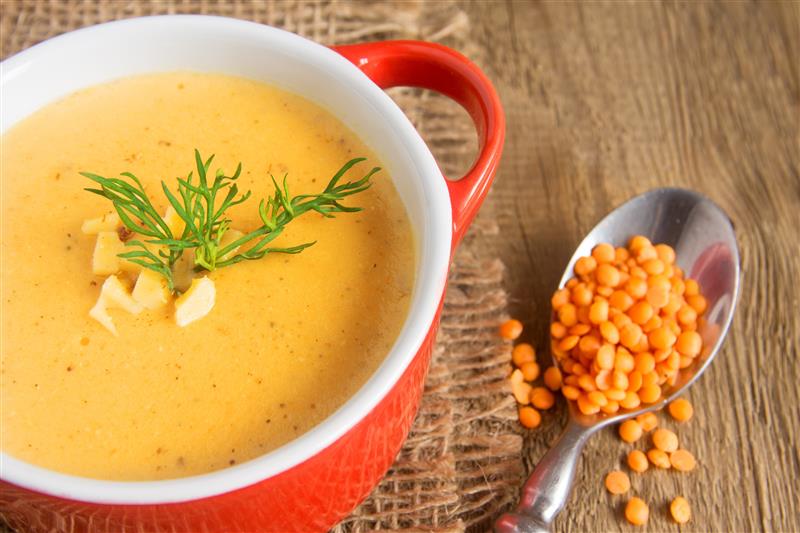
During winter, warm foods are usually preferred over cold meals. Warm dishes can improve appetite and provide comfort during cooler days. However, dialysis patients must be careful with soups and broths. Although they are popular in winter, soups count as part of the daily fluid allowance and should be consumed in moderation. Sodium content should also be controlled to avoid fluid retention and increased thirst.
Warm Renal-Friendly Meal Ideas:
• Grilled or baked chicken with rice and sautéed zucchini
• Baked fish with steamed cabbage or cauliflower
• Scrambled egg whites with toast
• Homemade low-sodium chicken soup (measured within fluid limit)
• Rice with controlled portions of lean minced beef
• Oatmeal (renal portion) with apple slices or berries
• Pasta with olive oil and grilled protein, seasoned with paprika powder or red bell pepper sauce instead of heavy tomato sauces
Preparing meals at home allows better control of salt, potassium, and phosphorus levels.
Managing Potassium & Phosphorus in Winter Foods
Seasonal Fruits and Vegetables
Managing potassium is especially important during winter due to seasonal food choices. In the United Arab Emirates, we often notice changes in patients’ potassium levels during winter because of increased intake of certain seasonal fruits and vegetables.
Common winter foods include:
• Emirati nabq (sidr fruit) – locally known as
• Sweet potatoes
• Chestnuts
• Arugula leaves
• Radish leaves
These foods contain moderate to high potassium levels and should be consumed in controlled portions according to individual dietary guidance., especially when eaten frequently or in large portions. Patients should avoid daily overconsumption and control portion sizes. Variety and moderation are key to maintaining safe potassium levels.
Phosphorus Awareness
Winter is also a season for barbecues and grilling. Larger portions of meat may increase phosphorus intake, particularly when processed meats or salty marinades are used. Excess phosphorus over time can affect bone health and increase the risk of complications.
Practical tips include:
• Choose fresh meat instead of processed options
• Control portion sizes of grilled meats
• Limit salty sauces and ready-made marinades
• Continue taking prescribed phosphate binders as directed
• Monitor laboratory results regularly
Individualized dietary guidance remains essential to maintain balanced potassium and phosphorus levels during winter.
When to Seek Medical Advice
Patients should contact their healthcare team if they experience:
• Muscle weakness
• Irregular heartbeat or palpitations
• Numbness or tingling
• Shortness of breath
• Swelling in legs or face
• Sudden weight gain between dialysis sessions
• Persistent nausea
These symptoms may indicate high potassium, high phosphorus, or fluid overload. Patients should not make major dietary changes without consulting their renal dietitian or nephrologist.
Conclusion
Winter can influence eating habits, physical activity, and food choices. While protein needs remain stable, energy needs may slightly increase due to more outdoor activity, especially in the United Arab Emirates where winter weather is pleasant.
Seasonal fruits and vegetables, warm soups, and grilled foods require careful portion control to prevent electrolyte imbalance and fluid overload. With proper planning, awareness, and regular monitoring, dialysis patients can safely enjoy winter foods while maintaining stable laboratory results and good nutritional status.
A personalized and balanced approach to renal nutrition helps ensure better health and quality of life throughout the season.
References :
1- Seasonal care for dialysis patients: Managing health during winter
2- 01-65-6208_KBD_KidneyLiving5_FINAL.pdf
3- National Kidney Foundation. Clinical Practice Guidelines for Hemodialysis Adequacy Update. American Journal of Kidney Diseases.
written by Dietitian Hafsa.


